The-Sowollo
DURATION
2020.05 - 2021.01
8 month
KEY WORDS
Personalized AI
Sensory Data Analysis
Service Design
Contribution
Service Planning
UX/UI Design
Graphic Design
Traditional Korean alcohol has rich variety, yet it often feels distant to younger audiences. We asked: how might we use AI to offer a new way of engaging with traditional liquor—beyond the conventional tasting format?
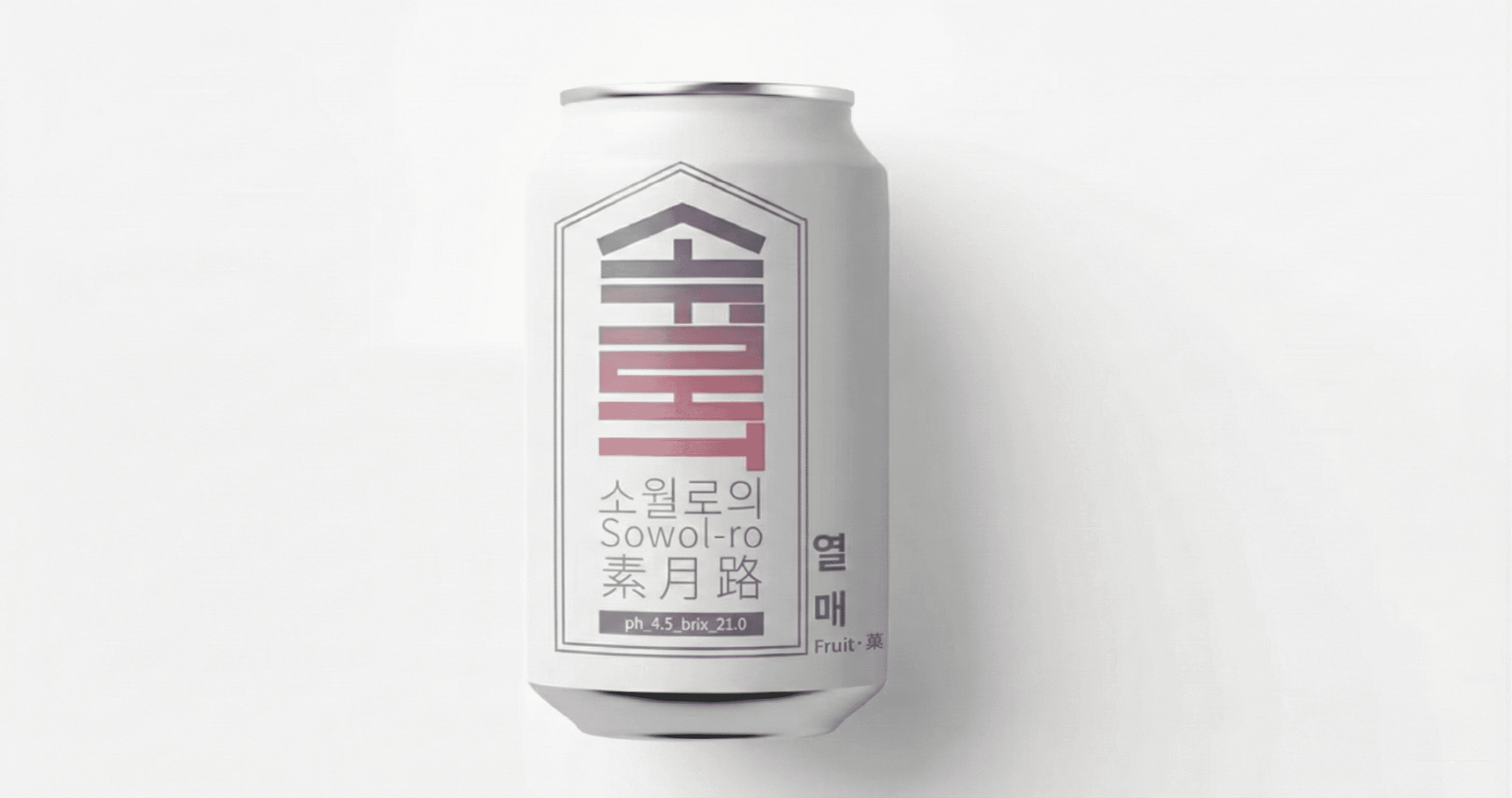
Sowol-ro turns “taste” into selectable coordinates. By reconstructing recipes from traditional references and measuring sweetness (Brix), acidity (pH), and ABV, we created a system that lets visitors choose a flavor profile and receive a corresponding can to taste in the exhibition.
Exhibited Project
|
2020.05 - 2021.01
Outcome
[Exhibition] Play on AI, Art Center Nabi, Seoul, Korea, 2021
The Beginning: Nabi Open Lab
Born from the Nabi Open Lab initiative by Art Center Nabi, this project began with an inquiry into Artificial Intelligence. Over a five-month period of collaborative research and experimentation, the initial concept evolved into a tangible experience.
The project started with members from ‘Nabi Open Lab’
Problem Definition
Korean traditional alcohol has strong cultural and commercial potential, yet it remains relatively unpopular among people in their 20s and 30s. We asked: how might AI enable a new, more personal way to discover and enjoy traditional liquor—beyond conventional tasting and mass-market products?
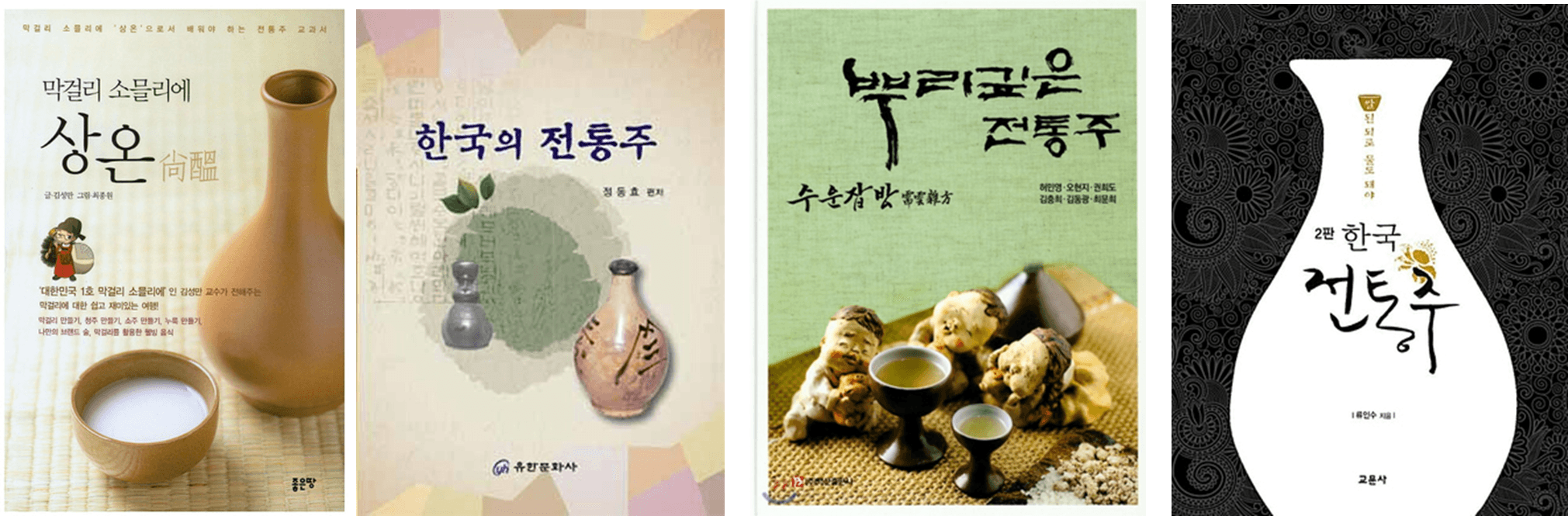
Image description: Books that were used to collect korean traditional alcohol recipes
Strategy
Instead of scaling through mass production, we designed a personalized, preference-driven pipeline that could generate a drink aligned with each individual’s taste. We paired this with single-serve packaging, making the experience easy to pick up, carry, and taste—especially in an exhibition context.
Conceptual Rendering
Process
We translated traditional brewing “inputs” into a structured dataset by reconstructing recipes and standardizing how they are described. Each brewed outcome was then quantified using three measurable taste features: pH (acidity), Brix (sweetness), and ABV (alcohol by volume). By collecting these measurements across batches, we built a dataset that reduces subjective interpretation and allows taste to be treated as comparable coordinates.
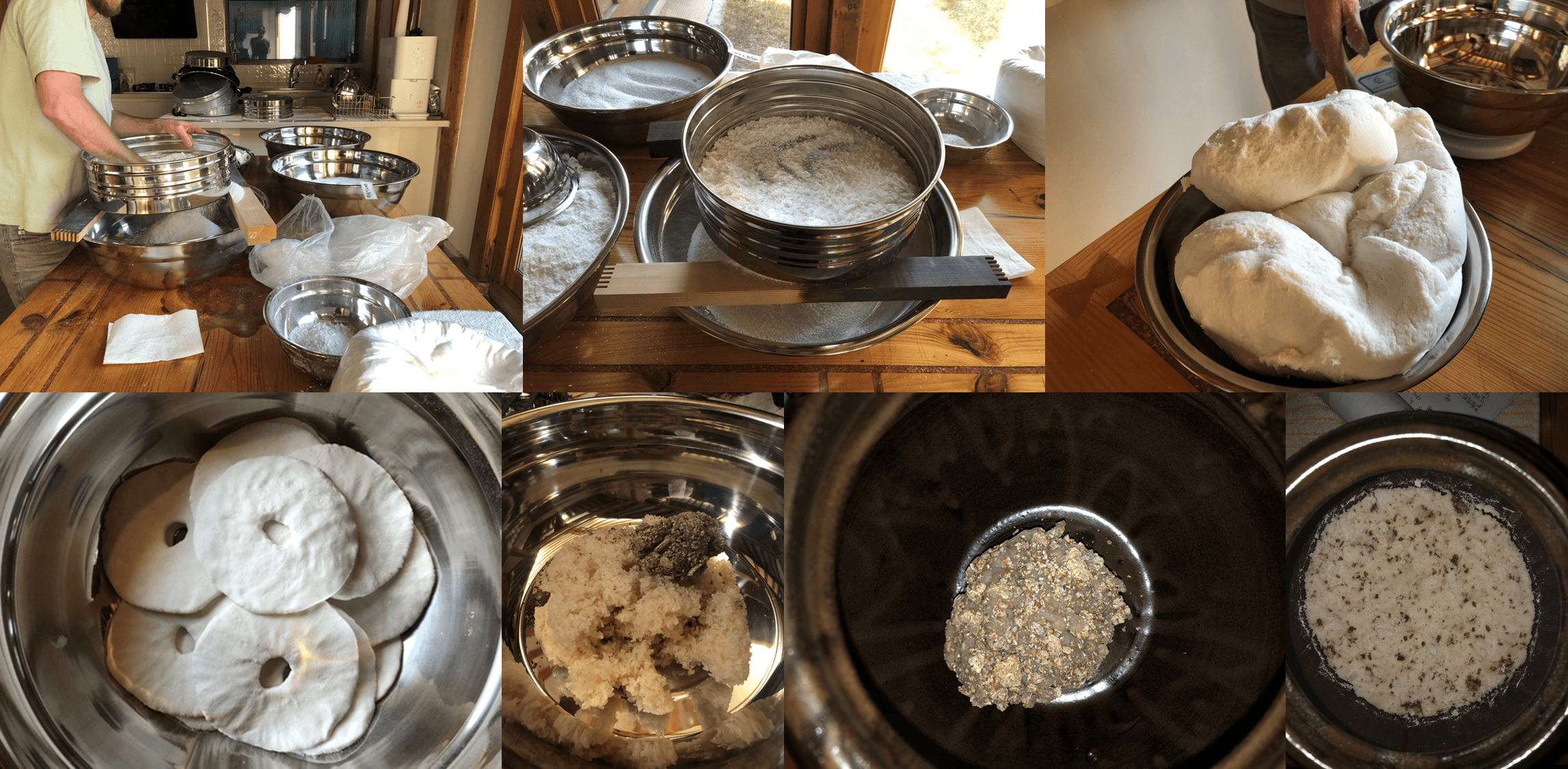


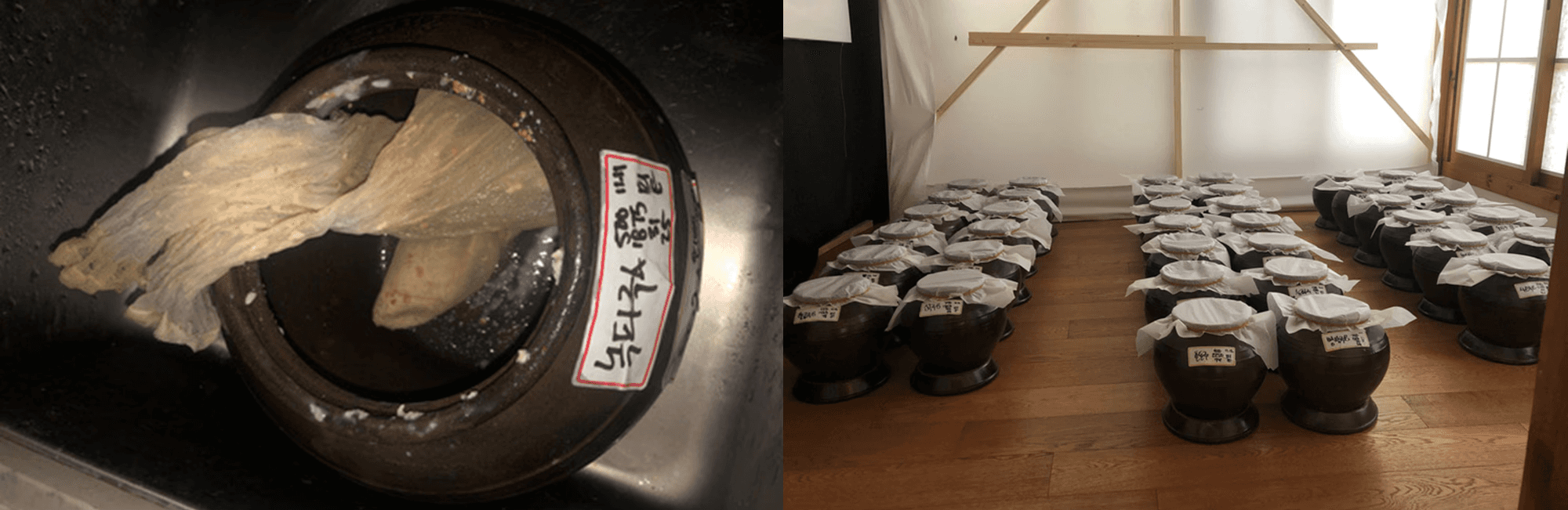
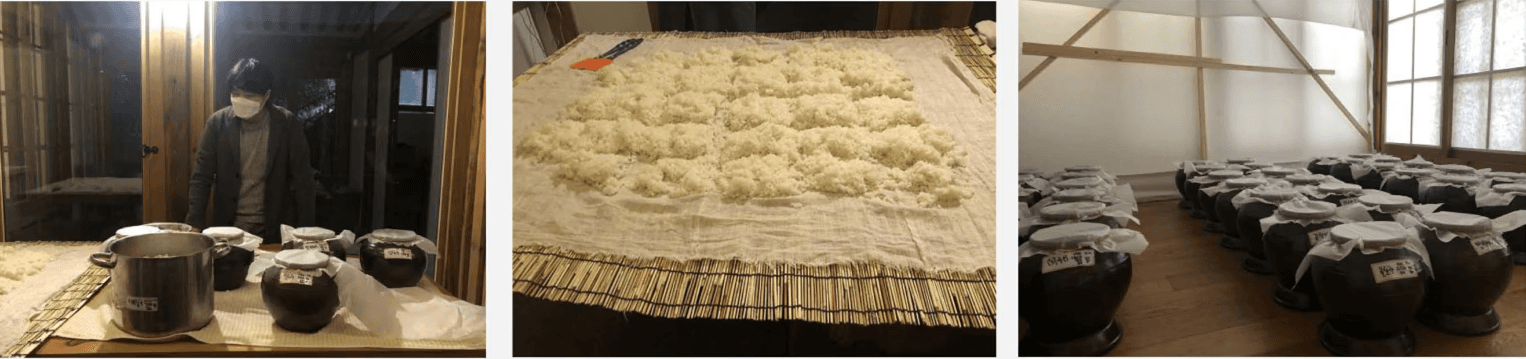
Making traditional alcohols
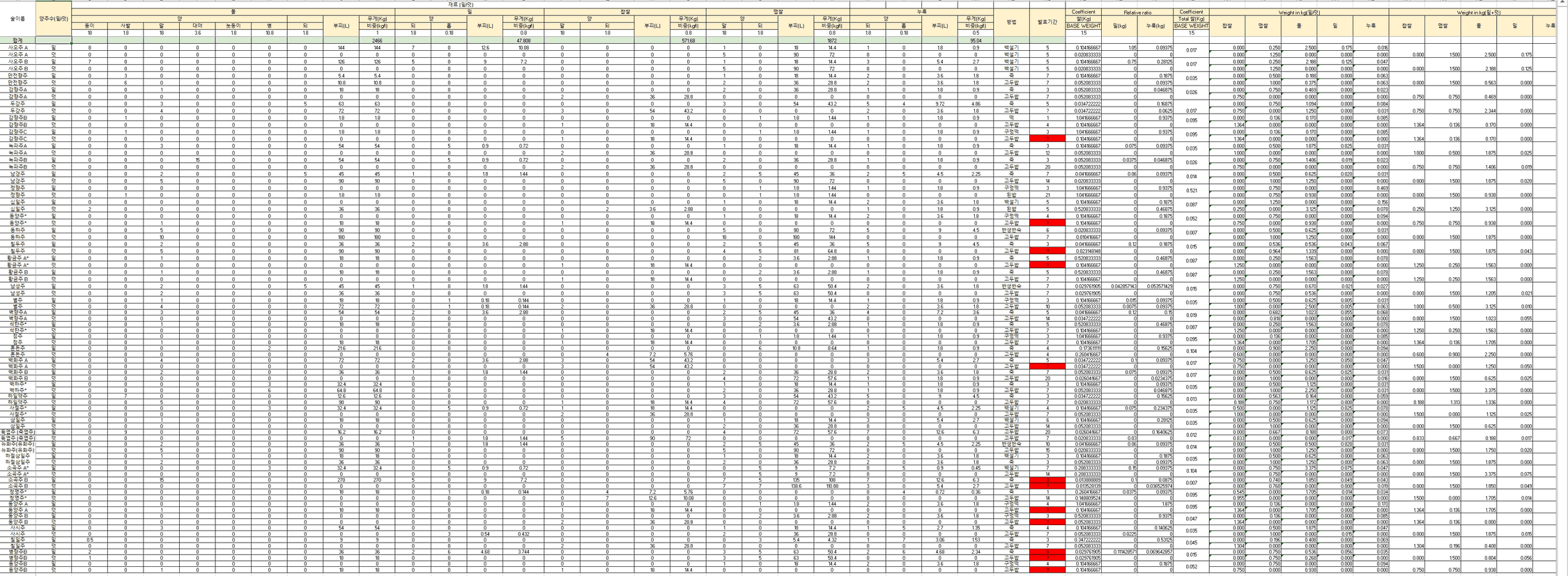
Organized data derived from the books using specific categories like amount of water, flour etc.
Exhibition
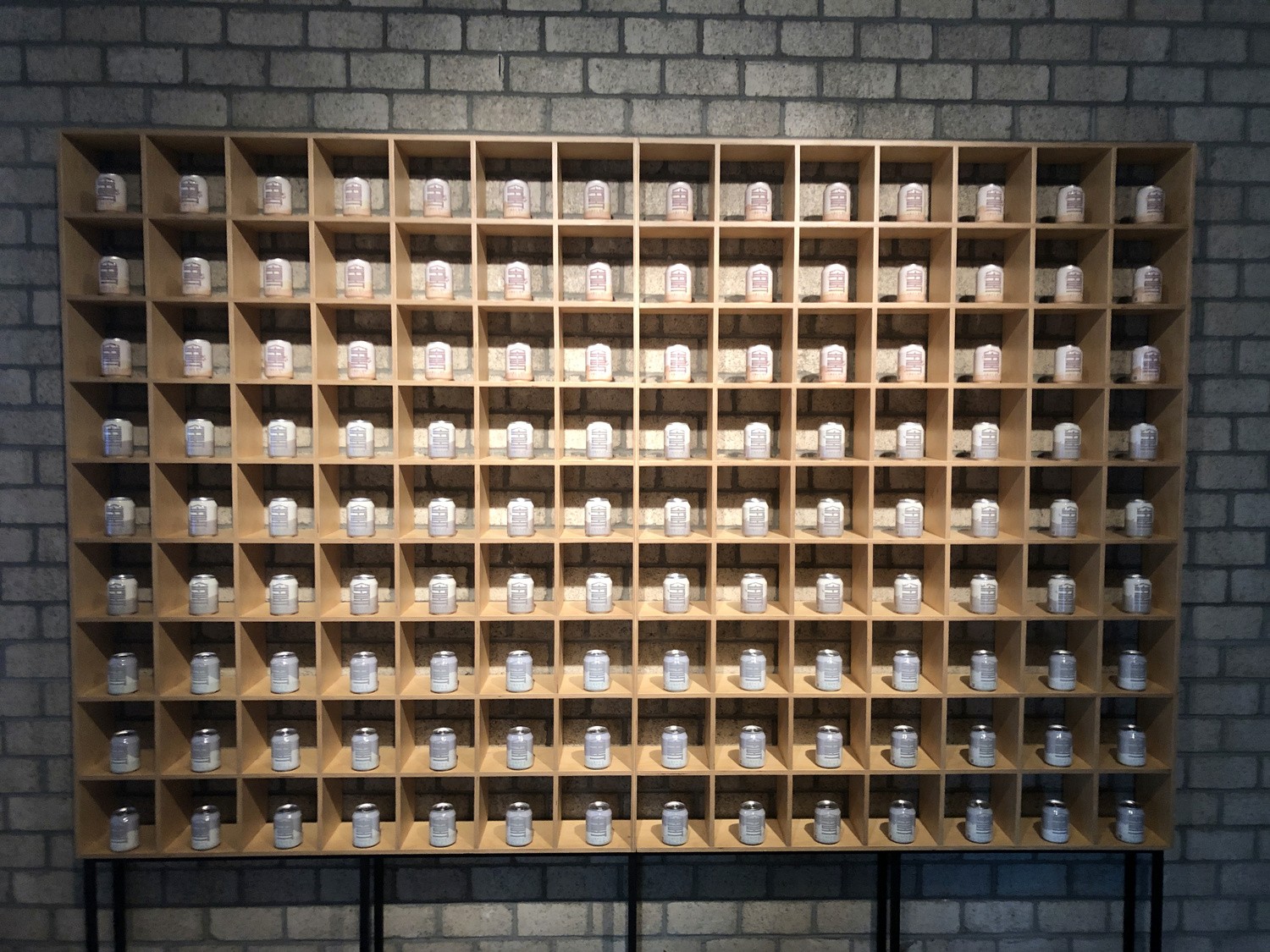
Exhibition context: developed through Nabi Open Lab and presented at Play on AI.
Exhibition Motion Poster: Play on AI
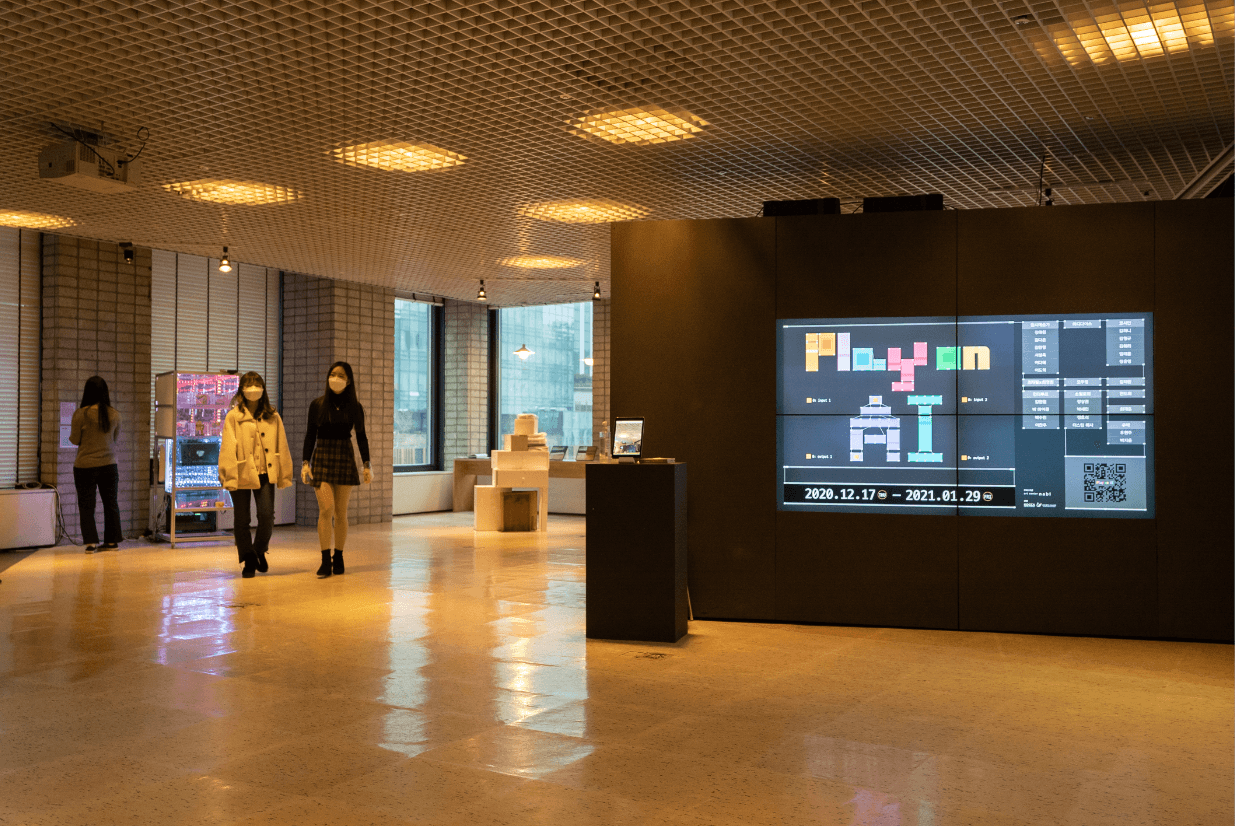
Exhibition view at Art Center Nabi, 2021.
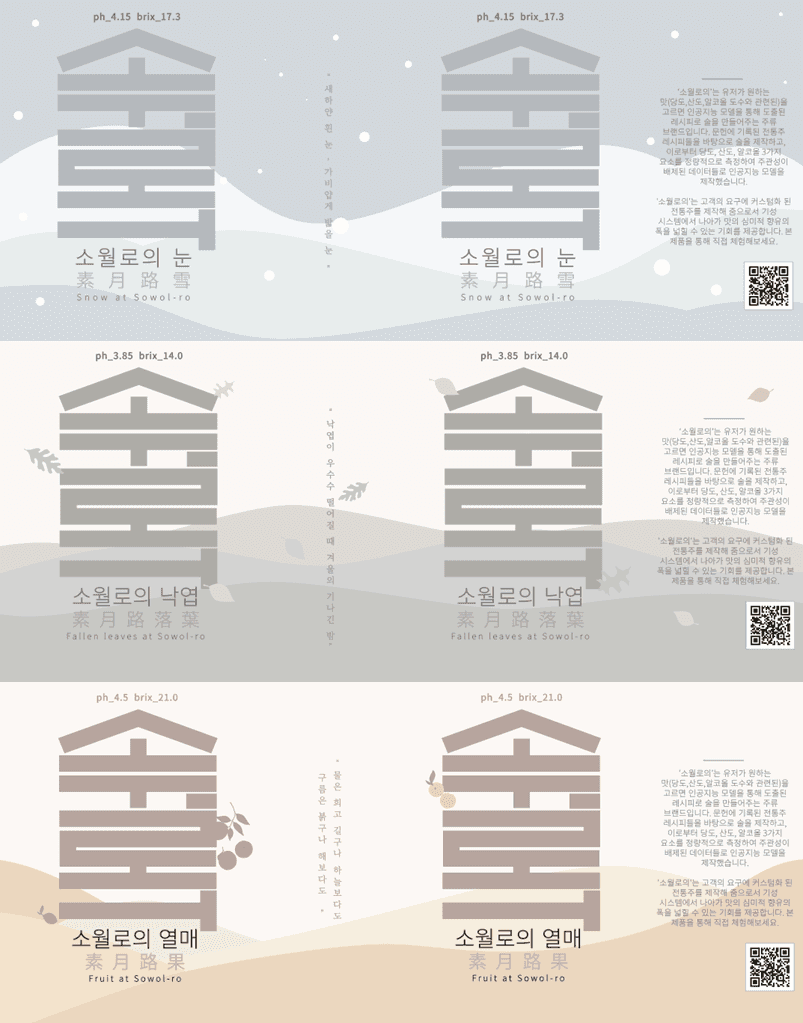
Label Variations: Snow(Sharp), Fallen Leaves(Dry), and Fruit(Sweet)
Role and Responsibility